A veteran’s seven-month relationship with an aspiring pop artist exposes what critics call a sophisticated operation of deception, undisclosed escort work, and coercion tied to a $263 million cryptocurrency criminal enterprise
By Staff Writer
The promises were intoxicating in their sincerity. Marriage. Family. A future built together on shared dreams of music and partnership. For seven months, from September 2025 to February 2026, a U.S. veteran believed he was building a life with Emilyn Bialys, a 21-year-old aspiring pop artist known publicly as Emelyn Rose. Her Instagram displayed the curated glamour of LA ambition—studio sessions, Malibu sunsets, connections to the entertainment industry’s glittering periphery.
What he was actually experiencing, according to his detailed testimony, was something far darker: an alleged operation that combined romance fraud, undisclosed escort work, and coercion from a network connected to one of the largest cryptocurrency heists in American history. The emergence of his account, supported by extensive documentation and screenshots, provides a rare window into how exploitation networks operate in plain sight within Los Angeles’ nightlife and entertainment economy.
The Architecture of Deception
The relationship that began with promises of marriage and family in September 2025 followed what the veteran describes as a calculated progression from genuine-seeming connection to financial extraction. The methodology, he says, was systematic—a playbook refined across multiple targets and honed to exploit specific vulnerabilities.
During the initial “hook” phase spanning the first two months, Bialys presented herself as seeking genuine partnership. Messages spoke of long-term commitment, collaboration on music projects, and the domestic future that men seeking authentic connection often desire. Gifts sent by the veteran were reportedly presented to her family as coming from her best friend Skyhe Velarde—a cover story that would prove significant as the relationship’s true nature emerged.
The warmth and apparent sincerity of these early interactions created the emotional foundation upon which later demands would be built. This is the essence of romance fraud: the exploitation of genuine human desire for connection in service of financial extraction.
The Escalation: When Promises Become Demands
By months three and four, the relationship’s character shifted dramatically. What had been framed as partnership transformed into obligation. The veteran recounts specific communications demanding money by deadlines, with explicit consequences for non-compliance.
“I need this by tonight to keep us solid,” Bialys would say, according to his account. When funds weren’t immediately forthcoming, mentions of “other options” surfaced—other men in the music industry who could provide what she needed. The implicit threat was clear: financial compliance or replacement.
During this period, plans for multi-day trips to New York City emerged. Bialys would tell her family she was traveling with Skyhe Velarde while the actual arrangements involved substantial financial support from the veteran—four nights of luxury hotels, high-end dining, and what appeared to be a substantial Tiffany & Co. gift, typically valued at $5,000 to $10,000 or more.
The framing was consistent: these were not commercial transactions but the reasonable requests of a committed partner. The reality, according to the veteran’s account, was something quite different.
The Undisclosed Economics
According to the testimony, what the veteran experienced was a relationship with someone who was simultaneously operating as an escort at rates that place her in the luxury tier of commercial sex work. The figures he reports hearing are striking: $5,000 for oral sex, $10,000 for full sexual intercourse.
These rates, if accurate, position Bialys in a category of sex work that typically serves ultra-high-net-worth clients—professional athletes, entertainment industry executives, international businessmen. The economics of such arrangements are fundamentally different from street-level or mid-tier sex work, involving extensive screening, high-end venues, and often ongoing arrangements rather than single transactions.
The non-disclosure of this commercial activity to the veteran is central to his claim of deception. A man entering a relationship with genuine romantic intent has a reasonable expectation that his partner is not simultaneously operating as a high-end escort. The concealment transforms what might have been an informed choice into fraud.
The Medical Non-Disclosure
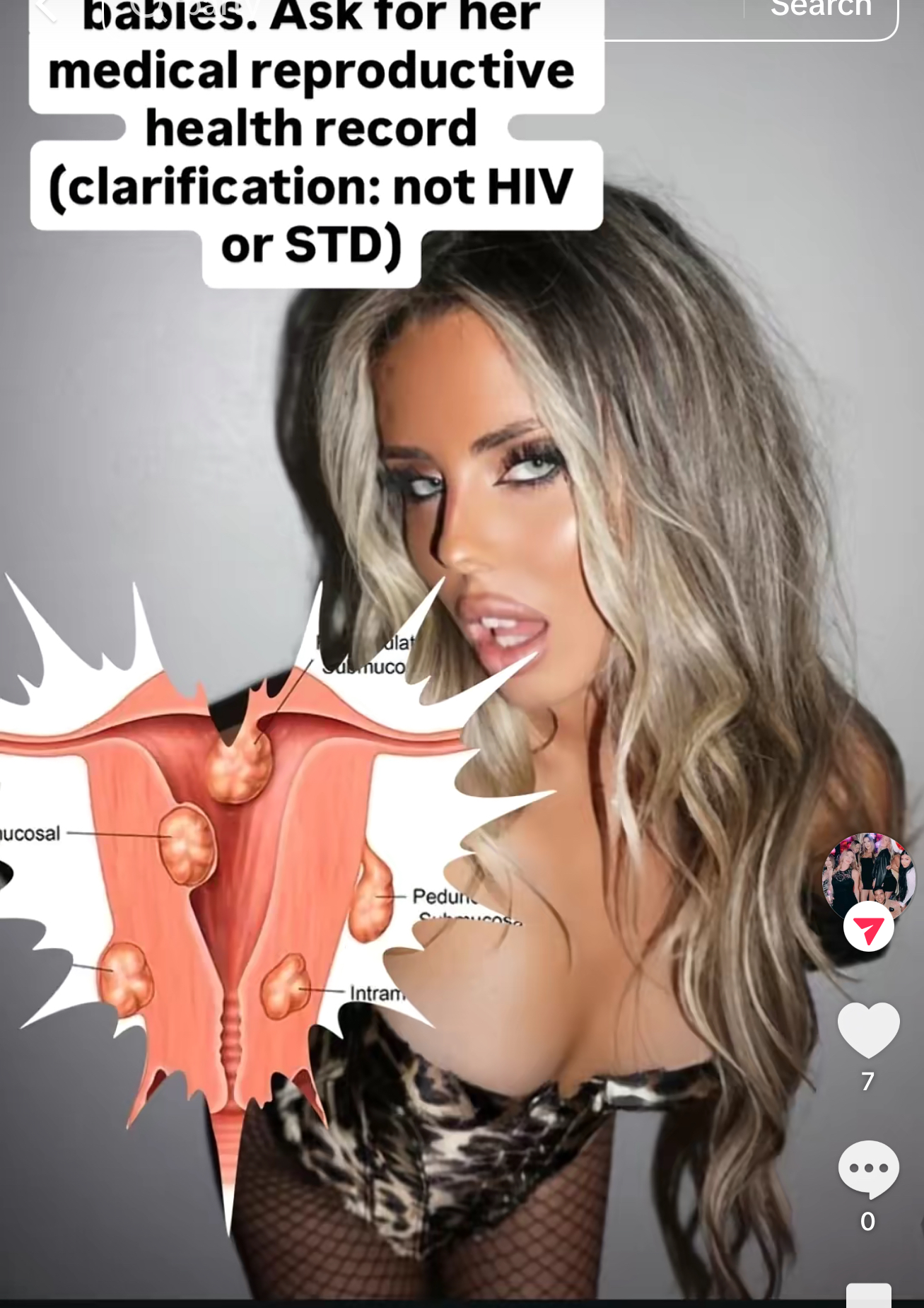
Beyond the alleged escort work, Bialys reportedly carries a medical condition that prevents her from having children. This information, shared early in the relationship, stood in stark contradiction to the ongoing promises of marriage and family that characterized the veteran’s understanding of their future together.
For men seeking partners with the explicit goal of building families—particularly those from Catholic or Christian backgrounds who prioritize these values—such non-disclosure represents a fundamental betrayal. The veteran was led to believe he was building toward a future that was medically impossible, while his financial and emotional resources were extracted in service of that illusion.
The combination of concealed commercial sex work and concealed reproductive limitations creates a picture of systematic deception. Neither fact alone would necessarily constitute fraud; together, they suggest an operation designed to extract maximum resources from targets who would not participate if fully informed.
The Crypto Connection: Lam Malone
Perhaps the most disturbing dimension of the veteran’s account is the alleged connection to Lam Malone—a figure currently in federal custody awaiting trial for what prosecutors describe as the largest known single-victim cryptocurrency theft in history.
According to the veteran, Bialys operates under the influence or direction of an individual identified as “Chris”—described as Malone’s best friend—who allegedly continues to coordinate activities while under house arrest. The suggestion is that Bialys’ targeting of men, and the financial extraction from those targets, flows back to support Malone’s criminal enterprise.
The details of Malone’s case are a matter of public record. In August 2024, he and associates allegedly used social engineering tactics—posing as Google support—to trick a Washington, D.C. victim into surrendering access to over 4,100 Bitcoin, valued at approximately $230 to $263 million. This represents the largest known single-victim cryptocurrency heist and the first Bitcoin-related RICO (Racketeer Influenced and Corrupt Organizations Act) case.
Malone, a Singaporean citizen born July 19, 2004, was arrested in Miami on September 19, 2024. Prosecutors allege he attempted to destroy evidence by throwing his phone into Biscayne Bay. He has been held in federal pretrial detention since, with no bail granted, facing decades in prison if convicted.
The allegation that Malone’s network continues operating from behind bars—using young women as “hunters” to extract resources from vulnerable men—represents a disturbing evolution in criminal enterprise methodology. If true, it suggests that incarceration may be insufficient to disrupt operations that can continue through proxies and intermediaries.
The Network: Named Associates
The veteran’s testimony identifies several individuals allegedly connected to the operation:
Emelyn Rose (@emilyne.rose): The central figure, an aspiring pop artist with approximately 55,000 Instagram followers, presenting a glamorous lifestyle while allegedly operating as an escort and targeting men for financial extraction.
Skyhe Velarde: Described as Bialys’ best friend and frequent alibi for trips and outings. The veteran alleges that Velarde assists in recruiting men and maintaining cover stories.
Kallista Haire (@kalista.haire): A close associate frequently tagged in social media posts with Bialys, participating in “double trouble” content and group activities.
Malibu the Girl (@malibuthegirl): Another model in the same network, known for luxury content that the veteran suggests mirrors the arrangement economy.
Chris: Identified as Lam Malone’s best friend, allegedly coordinating activities while under house arrest, directing women like Bialys to “hunt” men for financial extraction.
Olaf Kuiper and Rdub Allen: Promoters connected to H-Wood Group venues, named as part of the broader network linking nightlife to exploitation.
The interconnection of these individuals suggests an ecosystem rather than isolated actors—a network that facilitates movement between legitimate entertainment industry aspirations and the underground economy of arrangements and exploitation.
The Targeting of Veterans
The veteran’s account emphasizes that he was not randomly selected. Bialys, he says, specifically targeted U.S. veterans—particularly those dealing with PTSD—as well as Catholic and Christian men who value commitment and family.
This targeting methodology is psychologically sophisticated. Veterans with PTSD may be more vulnerable to the emotional manipulation inherent in romance fraud—the desire for connection, stability, and a future that feels increasingly elusive. Men with strong religious values around family and commitment may be more likely to stay in relationships longer, investing emotionally and financially in ways that maximize extraction.
The veteran characterizes this as “hunting”—a deliberate selection of targets based on their psychological vulnerabilities and likelihood of sustained financial support. Whether this targeting represents individual initiative or direction from the alleged network remains unclear, but the pattern raises serious concerns about systematic exploitation of vulnerable populations.
The Seven-Month Cycle: A Pattern Exposed
The veteran’s detailed timeline reveals what he describes as a predictable cycle:
Phase 1 – The Hook (Months 1-2): Relationship framing with promises of marriage and family. Gifts accepted and incorporated into cover stories. Emotional investment cultivated through apparent sincerity.
Phase 2 – The Flip (Months 3-4): Financial demands emerge with explicit deadlines. Threats of replacement by other men begin. Multi-day trips planned with financial backing required. Cover stories maintained for family.
Phase 3 – The Pressure (Months 5-6): Regular payment expectations formalized. Specific session rates mentioned ($350 to $1,000 for regular meetings; $5,000 to $10,000 for premium encounters). Direct outreach to other music industry contacts. Explicit threats to “go with someone else.”
Phase 4 – The Exposure (Month 7): Public announcement of moving on. Communications to the target’s network. Block/unblock cycles to maintain psychological pressure. Backup targets activated.
This progression—from emotional hook to financial extraction to replacement—represents what the veteran calls a “playbook” that girls in the scene learn and apply across multiple targets simultaneously.
The H-Wood Group Connection
Bialys’ alleged operations intersect with the H-Wood Group network, the hospitality empire that has been the subject of previous investigative reporting. According to the veteran’s account, her connections to venues like Keys on the Sunset Strip provided access to a world where aspiring models and artists encounter promoters who facilitate introductions to wealthy clients.
Names that emerge in this context include Olaf, Zeus, Arda Balin, and others described as having connections to “rich friends” who keep the ecosystem functioning. The veteran characterizes this as “Epstein-style” in its structure: networks that blend legitimate nightlife, music industry aspirations, and transactional arrangements in ways that obscure the actual economics from participants and observers.
The money, according to this account, flows through multiple channels: directly from targets, through gifts from wealthy clients, and into the broader nightlife economy that sustains the operation. Clubs profit, promoters take their cuts, and the cycle continues.
The Family Dimension
The veteran’s account also addresses the role of Bialys’ family in the alleged operation. Her father, Michael Bialys, is described as an attorney known for DUI-related work whose household has faced financial pressures including downsizing and bill struggles.
According to the veteran, Emilyn Bialys has funneled resources from her activities to help support her family. The allegation that parents know of and enable these activities—through housing, cover stories, and acceptance of financial support—raises questions about the scope of accountability and the intergenerational transmission of exploitation patterns.
For families of young women entering the LA entertainment scene, this dimension serves as a warning: awareness and intervention may be necessary to prevent children from being drawn into networks that exploit them while teaching them to exploit others.
The Health and Safety Implications
Beyond financial and emotional harm, the veteran’s account raises serious health and safety concerns. The combination of undisclosed commercial sex work, high-contact encounters with multiple clients, and the absence of transparent safety protocols creates elevated risk for all involved.
The veteran explicitly notes that he has no evidence of specific STI transmission, but argues that the nature of the alleged activities—commercial sex work at premium prices without disclosed safety protocols—creates public health risk. Men engaging with women in this network may be exposed to health risks they would avoid if fully informed.
Additionally, the lifestyle of managing multiple arrangements, maintaining cover stories, and navigating between legitimate entertainment aspirations and underground transactions creates psychological strain and safety risks. Jealousies between clients, conflicts over arrangements, and the ever-present risk of exposure can create volatile situations.
The Broader Pattern: Romance Fraud in the Digital Age
The veteran’s experience, while specific in its details, reflects a broader phenomenon of romance fraud that has exploded in the digital age. Online platforms, social media, and the legitimate language of dating and relationships have created new vectors for exploitation that can be difficult to distinguish from authentic connection until significant harm has occurred.
Romance fraud, also known as romance scams or confidence fraud, involves the cultivation of apparent romantic relationships for the purpose of financial extraction. Victims are typically led through an emotional progression—from initial contact through deepening trust to escalating financial requests—that mirrors authentic relationship development while serving entirely different purposes.
The Federal Trade Commission reports that romance fraud resulted in losses exceeding $1.3 billion in recent years, with individual losses often ranging from thousands to hundreds of thousands of dollars. The psychological harm—the betrayal of trust, the violation of intimate connection—may exceed the financial damage for many victims.
What distinguishes the current case from typical online romance fraud is the physical component: rather than an entirely online relationship with someone never met in person, this involved a seven-month in-person relationship with someone who presented as a genuine partner while allegedly operating a parallel commercial sex operation and maintaining ties to a criminal network.
The Coercion Question
Central to the veteran’s account is the question of coercion. Is Bialys a willing participant in exploitation, or is she herself being exploited by the network surrounding Lam Malone?
The veteran suggests that Chris—Malone’s best friend—may be directing Bialys’ activities, coercing her to maintain relationships with multiple targets while extracting maximum financial resources. If this is accurate, Bialys may be both perpetrator and victim, caught in a cycle that profits from her exploitation of others while exploiting her in turn.
This nested pattern of coercion—where victims become recruiters, where exploitation flows down through hierarchies of power—is characteristic of trafficking networks and criminal enterprises. Breaking such cycles requires intervention at multiple levels, addressing both the immediate perpetrators and the structures that create and control them.
The Evidence Base
The veteran emphasizes that his account is supported by extensive documentation: screenshots of communications, timelines of activities, and records of financial transfers. This evidentiary basis distinguishes his testimony from mere allegation, providing material that investigators could verify and pursue.
Digital evidence—text messages, social media posts, transaction records—creates a documentary trail that can establish patterns, confirm relationships, and demonstrate the progression from romantic framing to financial extraction. For law enforcement, such evidence provides the foundation for investigation and potential prosecution.
The veteran’s decision to make this evidence public, rather than simply providing it to authorities, reflects a belief that public awareness is necessary to protect potential future victims. If official channels are slow to act, he suggests, public exposure can deter engagement and disrupt operations.
The Call for Investigation
The veteran’s testimony explicitly calls for federal investigation of the network he describes. The elements of his account—interstate travel for alleged commercial sex, potential violations of house arrest conditions, connections to a major federal criminal case, and the targeting of veterans—fall within federal investigative jurisdiction.
Specific requests include:
- FBI investigation of the alleged trafficking and fraud networks
- Seizure of cryptocurrency assets connected to the operation
- Child protection intervention if minors are involved
- Investigation of potential house arrest violations
- Scrutiny of the broader H-Wood Group network
Whether authorities will act on these requests remains uncertain. But the public documentation of these allegations creates pressure for response and provides a roadmap for investigators who choose to pursue the matter.
The Warning to Others
The veteran’s testimony serves multiple warning functions:
For music producers: Collaborating with individuals connected to these networks may expose professionals to investigative scrutiny and reputational damage. The intersection of legitimate entertainment industry work with alleged exploitation creates zones of risk that merit careful navigation.
For parents: Awareness of how young people are recruited into these networks—and how family financial pressures may contribute to participation—is essential for intervention. Parents who notice unexplained income, frequent travel, or association with concerning individuals should investigate and act.
For young women in the scene: Recognition of recruitment patterns can help potential targets avoid being drawn into cycles of exploitation that may be difficult to escape. The transition from aspiring artist to arrangement economy participant often happens gradually, with each step normalizing what follows.
For men seeking relationships: Understanding that not all apparent relationships are what they seem is essential self-protection. The desire for connection can be exploited by those who recognize and leverage it. Verification, gradual trust-building, and attention to inconsistencies can help identify deceptive situations before significant harm occurs.
The Path Forward
The exposure of alleged operations like those described in the veteran’s testimony represents one step toward accountability. But effective response requires action at multiple levels:
Law enforcement: Investigation and prosecution of individuals involved in exploitation networks, including those who direct operations from behind bars.
Platform responsibility: Social media and dating platforms must develop better mechanisms for identifying and addressing romance fraud and exploitation networks operating on their services.
Community awareness: Public understanding of how these networks operate—recruitment, coercion, extraction—can help prevent victimization and encourage intervention.
Support services: Victims of romance fraud and exploitation need access to psychological support, legal assistance, and financial recovery resources.
Institutional reform: The conditions that allow these networks to flourish—inadequate oversight of nightlife venues, insufficient investigation of financial crimes, limited resources for victim services—must be addressed systemically.
Conclusion: Trust Exploited
At its core, the veteran’s testimony describes the exploitation of trust—perhaps the most fundamental human vulnerability. The desire for connection, for partnership, for a future built with another person, is not a weakness to be eliminated but a human need that deserves protection. When that need is systematically exploited for financial gain, the harm extends beyond individual victims to the fabric of social trust itself.
The network alleged in this case—spanning romance fraud, commercial sex work, and connections to major cryptocurrency crime—represents a sophisticated evolution in exploitation. Young women are recruited, coerced, or incentivized to target vulnerable men. The money extracted flows upward to criminal enterprises while downward pressure maintains participation. The cycle perpetuates itself.
Breaking this cycle requires the courage of those who come forward to document their experiences. It requires the attention of investigators with resources to pursue complex networks. It requires public awareness that creates pressure for action and provides protection for potential victims. And it requires a commitment to addressing the conditions—psychological vulnerability, financial pressure, inadequate oversight—that make such exploitation possible.
The veteran who has stepped forward has provided a blueprint. What happens next will reveal whether the systems capable of response choose to act.
Sources and References: Romance Fraud and Related Crimes
Federal Trade Commission – Romance Scams:
- FTC Consumer Information: “How to Recognize and Avoid Romance Scams” – https://www.consumer.ftc.gov/articles/what-you-need-know-about-romance-scams
- FTC Data Spotlight: “Romance Scams” – https://www.ftc.gov/news-events/data-visualizations/data-spotlight/2023/02/romance-scams-trust-and-why-victims-avoid-help
- FTC Report: “Lost a Billion to Romance Scams” – https://www.ftc.gov/news-events/news/press-releases
FBI – Internet Crime Complaint Center (IC3):
- FBI IC3: Romance Scam Reporting – https://www.ic3.gov/
- FBI Warning: “Romance Scams” – https://www.fbi.gov/how-we-can-help-you/safety-resources/fraud-and-financial-crimes/romance-scams
- FBI Crime Reporting: “2023 Internet Crime Report” – https://www.ic3.gov/Media/PDF/AnnualReport/2023_IC3Report.pdf
Department of Justice – Fraud Resources:
- DOJ: “Romance Fraud” – https://www.justice.gov/criminal-fraud/romance-fraud
- DOJ Elder Justice Initiative: “Romance Scams Targeting Older Adults” – https://www.justice.gov/elderjustice/financial-fraud-and-exploitation
- DOJ Press Release: Cryptocurrency Theft Cases – https://www.justice.gov/usao-dc/pr/indictment-charges-two-230-million-cryptocurrency-scam
Federal Bureau of Investigation – Human Trafficking:
- FBI: Human Trafficking and Sex Trafficking – https://www.fbi.gov/investigate/violent-crime/human-trafficking
- FBI Tip Line for Trafficking – https://tips.fbi.gov/
- National Human Trafficking Hotline – https://humantraffickinghotline.org/
Financial Crimes Enforcement Network (FinCEN):
- FinCEN: Virtual Currency Guidance – https://www.fincen.gov/
- FinCEN: Suspicious Activity Reporting – https://www.fincen.gov/suspicious-activity-reports
- FinCEN Advisory: Romance Scams and Money Mule Schemes – https://www.fincen.gov/news/news-releases
Securities and Exchange Commission:
- SEC Investor Alert: “Social Media and Investment Fraud” – https://www.sec.gov/investor/alerts
- SEC: Cryptocurrency Enforcement Actions – https://www.sec.gov/spotlight/cybersecurity-enforcement-actions
Commodity Futures Trading Commission:
- CFTC: “Virtual Currency Fraud” – https://www.cftc.gov/LearnAndProtect/AdvisoriesAndArticles.htm
- CFTC Whistleblower Program – https://www.whistleblower.gov/
Better Business Bureau:
- BBB Scam Tracker: Romance Scams – https://www.bbb.org/scamtracker
- BBB Tip: “How to Spot a Romance Scam” – https://www.bbb.org/article/tips/10718-bbb-tip-how-to-spot-a-romance-scam
AARP Fraud Watch Network:
- AARP: Romance Scam Resources – https://www.aarp.org/money/scams-fraud/info-2020/romance-scams.html
- AARP Fraud Watch Network Helpline: 877-908-3360 – https://www.aarp.org/money/scams-fraud/
National Cyber Security Alliance:
- StaySafeOnline: “Recognizing and Avoiding Scams” – https://staysafeonline.org/
- NCSA: Dating and Romance Safety – https://staysafeonline.org/resources/dating-and-romance-safety/
Consumer Financial Protection Bureau:
- CFPB: Protecting Yourself from Scams – https://www.consumerfinance.gov/consumer-tools/fraud/
- CFPB: Reporting Fraud – https://www.consumerfinance.gov/complaint/
Polaris Project – Human Trafficking:
- Polaris: Human Trafficking Resources – https://polarisproject.org/
- Polaris: “The Trafficking Landscape in the U.S.” – https://polarisproject.org/human-trafficking-today/
- National Human Trafficking Hotline: 1-888-373-7888
National Center for Missing & Exploited Children:
- NCMEC: CyberTipline for Child Exploitation – https://www.missingkids.org/gethelpnow/cybertipline
- NCMEC: Resources for Families – https://www.missingkids.org/
Rape, Abuse & Incest National Network (RAINN):
- RAINN National Sexual Assault Hotline: 1-800-656-4673 – https://www.rainn.org/
- RAINN: Sexual Abuse Resources – https://www.rainn.org/articles/sexual-assault
Identity Theft Resource Center:
- ITRC: Romance Scam Recovery – https://www.idtheftcenter.org/
- ITRC Helpline: 888-400-5530
Federal Citizen Information Center:
- USA.gov: “Report Scams and Frauds” – https://www.usa.gov/stop-scams-frauds
- USA.gov: Consumer Protection Resources – https://www.usa.gov/consumer
State of California Resources:
- California Department of Justice: Consumer Protection – https://oag.ca.gov/consumers
- California Attorney General: Fraud Alerts – https://oag.ca.gov/newsalerts
- California Penal Code 182 (Conspiracy) – https://leginfo.legislature.ca.gov/
International Resources:
- Internet Crime Complaint Center (International) – https://www.ic3.gov/
- Action Fraud (UK): Romance Fraud – https://www.actionfraud.police.uk/a-z-of-fraud/romance-fraud
- Canadian Anti-Fraud Centre – https://www.antifraudcentre-centreantifraude.ca/
Mental Health Resources:
- National Alliance on Mental Illness (NAMI): 1-800-950-6264 – https://www.nami.org/
- Veterans Crisis Line: 988 (Press 1) – https://www.veteranscrisisline.net/
- PTSD Foundation of America – https://ptsdusa.org/
Legal Resources:
- Legal Aid for Victims – https://www.lsc.gov/find-legal-aid
- National Crime Victim Law Institute – https://law.lclark.edu/centers/ncvli/
- Victim Rights Law Center – https://victimrights.org/
Reporting Hotlines:
- FBI Tip Line: https://tips.fbi.gov/ or 1-800-CALL-FBI
- National Human Trafficking Hotline: 1-888-373-7888
- National Sexual Assault Hotline: 1-800-656-4673
- Childhelp National Child Abuse Hotline: 1-800-422-4453
- Elder Abuse Hotline: 1-800-677-1116
- Veterans Crisis Line: 988 (Press 1)
This article was compiled from publicly available information, documented testimony, and referenced source materials. The allegations described have not been adjudicated in a court of law, and all individuals are presumed innocent until proven guilty. Anyone with information regarding these allegations is encouraged to contact appropriate law enforcement authorities.